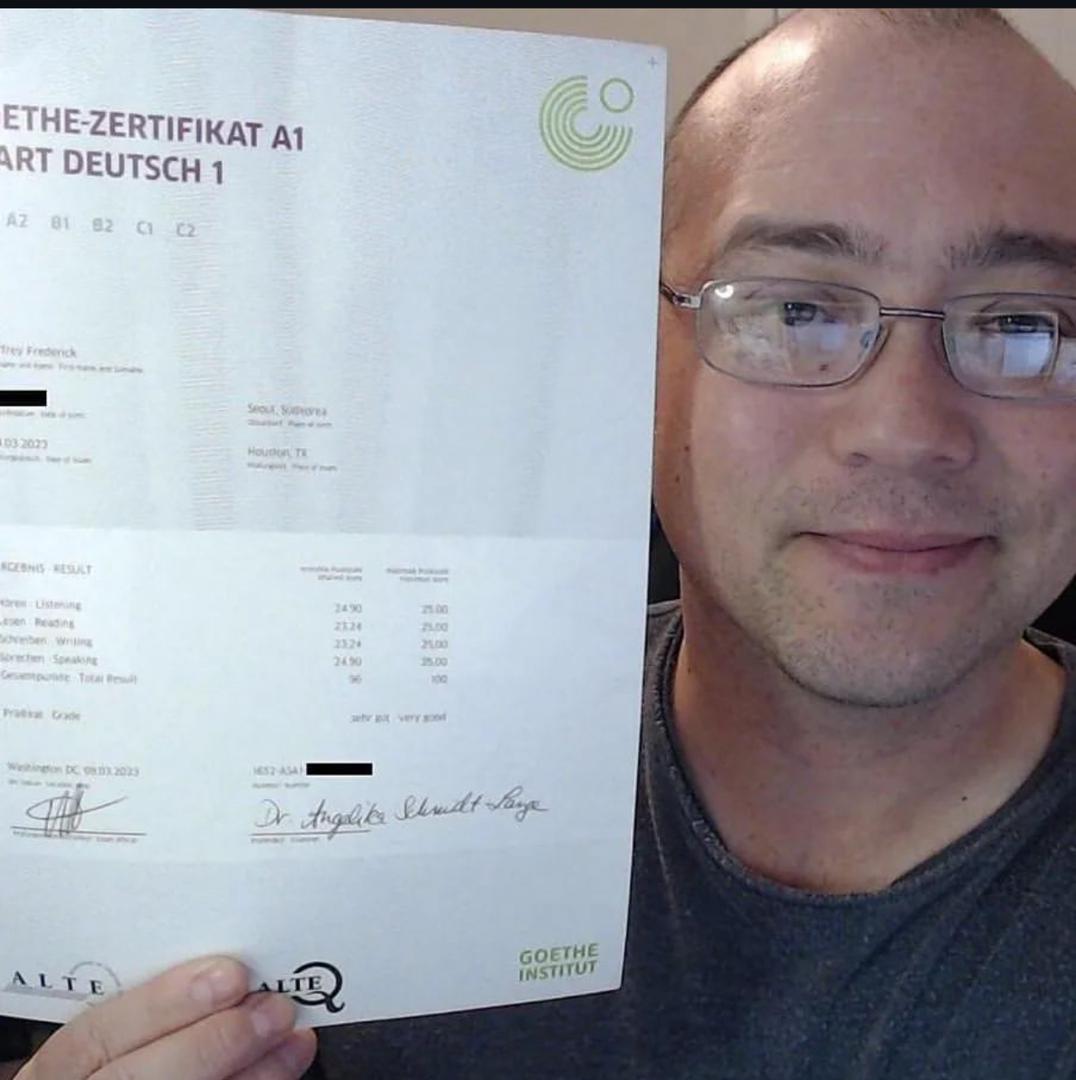
Understanding the B1 Language Certificate: A Pathway to Proficiency
Language proficiency has actually become an essential skill in today's globalized world, where effective interaction is vital in different aspects of life, consisting of education, business, and travel. Among the commonly acknowledged benchmarks for language efficiency is the B1 Language Certificate. This blog site post intends to provide an extensive overview of the B1 Language Certificate, its significance, structure, preparation methods, and responses to regularly asked questions.
What is the B1 Language Certificate?
The B1 Language Certificate is a standardized credentials that shows a person's intermediate level of proficiency in a foreign language according to the Common European Framework of Reference for Languages (CEFR). This structure classifies language proficiency into 6 levels: A1, A2 (newbie), B1, B2 (intermediate), C1, and C2 (innovative). Accomplishing a B1 level symbolizes that a candidate can manage everyday scenarios in the language and can understand the main points of clear texts on familiar matters.
Value of the B1 Certificate
Obtaining a B1 Language Certificate uses several advantages:
- Career Advancement: Many employers prefer individuals who can communicate successfully in numerous languages.
- Academic Opportunities: Universities typically need proof of language efficiency for non-native speakers.
- Travel and Cultural Understanding: A B1 certificate gears up people with the skills required to engage with native speakers and experience cultural nuances.
| Benefit | Description |
|---|---|
| Profession Advancement | Boosts task potential customers in multinational business and industries. |
| Academic Opportunities | Meets language requirements for educational programs abroad. |
| Travel and Cultural Insight | Makes it possible for better communication throughout journeys, facilitating interaction with locals. |
B1 Language Certificate Structure
The B1 Language Certificate normally consists of 4 components:
- Listening Comprehension
- Reading Comprehension
- Composing Skills
- Speaking Skills
Here's a comprehensive introduction of each part:
1. Listening Comprehension
In this section, candidates listen to audio recordings (conversations, interviews, statements) and address questions based on their understanding. This component examines a prospect's ability to understand spoken language in different contexts.
2. Reading Comprehension
Prospects checked out a choice of texts (posts, narratives, brochures) and react to questions that assess their comprehension. This section evaluates the capability to identify essences, details, and the author's intent.
3. Composing Skills
This element needs candidates to produce written text such as emails, letters, or essays. It examines their grammar, vocabulary, and total coherence in a composed format.
4. Speaking Skills
Candidates take part in a spoken interaction, often with an examiner or another candidate. This area assesses fluency, pronunciation, and the capability to reveal ideas effectively in discussion.
| Element | Format | Abilities Assessed |
|---|---|---|
| Listening Comprehension | Audio recordings and questions | Comprehending spoken language |
| Checking out Comprehension | Written texts and understanding questions | Translating written material |
| Composing Skills | Short essays or e-mails, frequently on familiar subjects | Coherence and grammatical accuracy |
| Speaking Skills | Conversational tasks, consisting of dialog with an examiner | Fluency and interactive interaction |
Preparing for the B1 Language Certificate
Preparation for the B1 Language Certificate involves a mix of studying, practice, and familiarity with the exam format. Here are beneficial methods to help prospects prepare successfully:
1. Research Study with Structured Materials
Making use of textbooks and online resources particularly created for B1 level can provide a strong foundation. Search for products that cover vocabulary, grammar, and practice exercises relevant to the exam.
2. Practice Listening and Reading
To improve listening and reading comprehension, candidates must engage with genuine products such as podcasts, news posts, and motion pictures in the target language. Routine practice will help people end up being familiar with different accents and designs of language.
3. Composing Practice
Prospects ought to practice writing different formats, such as e-mails, essays, and reports. Keeping a journal in the target language can be an efficient way to develop writing abilities.
4. Consult with Native or Fluent Speakers
Finding language exchange partners, tutors, or joining discussion clubs can provide valuable speaking practice. Engaging with native speakers boosts fluency and assists prospects acquire self-confidence in their speaking capabilities.
5. Take Practice Tests
Acquainting oneself with the exam format through practice tests can alleviate anxiety on the test day. Prospects should focus on timing and answering methods.
FAQs about the B1 Language Certificate
Q1: What languages provide a B1 Language Certificate?
The B1 Language Certificate is readily available for different languages, including English, French, German, Spanish, and Italian. Each language may have a particular granting body that administers the exam.
Q2: How long is the B1 Language Certificate valid?
The B1 Language Certificate does not generally end, but some organizations or companies may need updated proof of proficiency, particularly for innovative courses or jobs.
Q3: What is the passing score for the B1 Language Certificate?
The passing score can vary in between various assessment boards. Usually, prospects require to attain at least 60% in each component to get accreditation.
Q4: Can I take the B1 exam online?
Many language institutes now offer online assessment choices for the B1 Language Certificate. Prospects ought to check with their chosen assessment body for available formats.
Q5: What are the costs connected with the B1 Language Certificate?
The costs can differ considerably based upon language, organization, and place. Candidates ought to research prices from various exam service providers.
The B1 Language Certificate functions as a rewarding investment for those intending to enhance their language abilities and open doors to brand-new opportunities. With the right preparation techniques and resources, candidates can enhance their opportunities of success and start a journey towards higher language proficiency. Whether for B1 Prüfung Zertifikat , scholastic purposes, or personal enrichment, attaining a B1 Language Certificate marks a significant milestone in any language student's journey.